
Crawl Space Water Damage In New York
One free call connects you with an independent local pro for crawl space water removal and drying — 24/7, anywhere in New York.
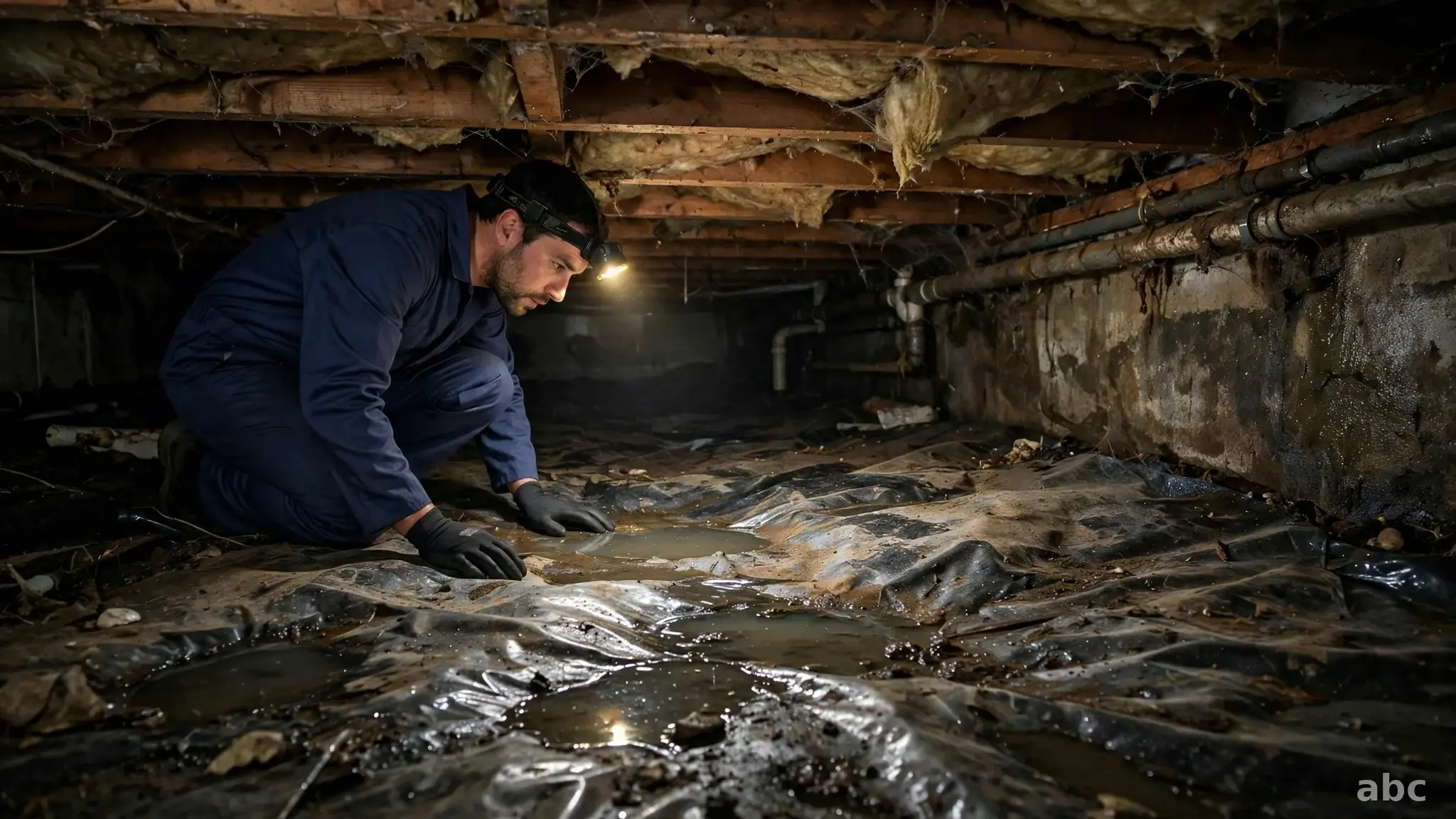
What Is Crawl Space Water Damage?
You need this service when water collects under your house — after heavy rain overwhelms the soil, when snowmelt seeps through foundation walls, when gutters dump roof water at the base of the home, or when a supply or drain pipe fails in the dark where nobody looks. Long Island and Hudson Valley homes with high water tables are especially prone. Telltale signs include musty air rising through floor registers, insulation sagging onto the soil, and floors that feel cold and damp no matter how high you set the heat.
This differs from Flooded Basement Cleanup, which handles taller, often finished below-grade rooms with their own drainage and sump systems — crawl spaces are shallow, unconditioned voids that need smaller equipment and different airflow planning. It also differs from a Water Damage Inspection, which only diagnoses moisture; this service does the physical pumping and drying. Speed matters because the EPA reports mold can begin growing on damp materials within 24 to 48 hours, and a warm, dark crawl space is ideal territory.
| Common Sources | Heavy rain, snowmelt, gutter overflow, and foundation seepage |
|---|---|
| Access | Tight quarters need compact, low-profile equipment |
| Drying Time | Often several days, with readings checked before equipment is removed |
| Mold Timeline | EPA: mold can start on damp materials within 24–48 hours |
| What's Usual | Pumping, dehumidification, and a report — exact work depends on the provider and the damage |
What's Included In Crawl Space Water Damage?
Usually included — the exact work depends on the provider and the damage.
Standing Water Pumping
Submersible pumps and wet vacuums pull standing water from the low soil and any pooled areas. Getting the bulk water out first is what stops the humidity from climbing into your floors and walls.
Dehumidification
Low-profile air movers and dehumidifiers sized for tight quarters run for several days straight. The provider positions them to push damp air out through vents and keep every surface drying evenly.
Moisture Mapping
Moisture meters check the soil, wooden joists, subfloor, and insulation so nothing stays damp out of sight. Readings are taken over multiple visits, and equipment stays until everything measures dry.
Vapor and Drainage Flagging
The provider notes missing or torn vapor barriers, poor grading around the foundation, and gutter discharge points that feed the problem. You get a clear written picture of why water got in and what would stop it.
Airflow Guidance
Practical guidance on venting and airflow tailored to your specific crawl space — because sealing or venting the wrong way can trap moisture inside instead of releasing it for good.
Written Findings
A written summary of what was wet, what work was done, and the final moisture readings. Useful for your own records and for supporting any insurance claim you file later.
Signs You Need Crawl Space Water Damage
Musty Odor Rising Into the House
A persistent earthy smell drifting up through vents or floorboards is the classic early warning of moisture below.
Visible Pooling at the Access Hatch
Visible pooling or glistening soil seen through the access hatch after rain — water that isn't draining away.
Safety: If water touches wiring or the electrical panel, stay out of the crawl space entirely.
Cold, Clammy Floors Above
Floors that feel cold and clammy underfoot, even when the heat is running normally — damp air rising from below.
Sagging or Fallen Insulation
Insulation hanging loose or lying on the soil — wet batts lose their grip and their value.
Tide Marks on Foundation Walls
White mineral stains or dark tide marks on the inside of foundation walls — evidence of past waterlines.
Dripping Sounds From Below
The sound of dripping or trickling from below when no fixture is running — a pipe or intrusion you can't see.
Seeing one of these? Call (800) 110-0003 now — a local pro typically arrives in 30–45 minutes.
How Crawl Space Water Damage Works
- 1Pump Out
Submersible pumps and wet vacuums remove every inch of standing water, including the low spots and far corners where it hides from view and keeps humidity high.
- 2Dry & Dehumidify
Compact dehumidifiers and air movers run for days while the provider tracks moisture in soil, wooden joists, and insulation — adjusting equipment placement as readings change.
- 3Improve Airflow
The provider advises on venting and airflow tailored to your layout, so damp air keeps moving out instead of settling into wood and insulation below.
- 4Flag Vapor Issues
Missing vapor barriers, bad grading, and gutter discharge problems get documented in writing — so you can fix the underlying cause, not just the symptom.
How long does it take? Most crawl space jobs need three to five days of active drying after the water is pumped out, with the provider checking readings before equipment comes up. Timing depends on how much water entered and how long it sat — the provider gives you a realistic picture on arrival.
Water Damage Risk Across New York
Why crawl space water damage calls spike in certain counties — backed by FEMA and NOAA data.
County risk rating — FEMA National Risk Index, Dec 2025
County risk rating — FEMA National Risk Index, Dec 2025
County risk rating — FEMA National Risk Index, Dec 2025
County risk rating — FEMA National Risk Index, Dec 2025
County risk rating — FEMA National Risk Index, Dec 2025
Suffolk County has logged 19 FEMA flood-related disaster declarations — low-lying Long Island homes face repeated water exposure that reaches crawl spaces first. (FEMA)
New York counties in the service area average 45.5–48.3 inches of rain a year, keeping groundwater pressure on foundations a year-round concern. (NOAA)
About 82% of flash-flood and severe-storm events strike June–September, when summer downpours can overwhelm drainage in hours. (NOAA)
Why Call abc For Crawl Space Water Damage?
Crawl spaces are the most ignored part of a New York home — and the first place water settles. A referral call connects you with a local pro who works in tight, awkward spaces for a living, brings equipment sized for them, and documents everything so you understand both the water and why it got in.
Nights, weekends, holidays — a real person picks up.
Toll-free number. No charge to reach a local pro.
47 cities covered from one memorable number.
Connected with local pros who do the work.
Apartments, houses, offices, retail, restaurants.
Typical arrival window once you're connected.
What New Yorkers Say
Crawl Space Water Damage Tips: What To Do (And Avoid)
Check After Heavy Rain
After any heavy storm, take a flashlight to the access hatch and look for pooling or glistening soil. Catching water in its first day keeps the whole job small.
Walk the Foundation Twice a Year
Walk the foundation each spring and fall, looking for cracked grading and clogged gutters. These two issues are the most common invitations for crawl space water.
Extend Downspouts
If safe, extend downspouts at least six feet from the house using inexpensive extensions. Roof water dumped right at the foundation is a leading cause of seepage.
Keep Vents Clear
Keep crawl space vents clear of leaves, mulch, and debris so air can actually move. Blocked vents trap the very humidity you're trying to release.
Keep Storage Off the Soil
Store nothing valuable directly on crawl space soil — use pallets or shelving instead. Even minor dampness ruins cardboard, fabrics, and electronics over time, slowly.
Photograph Before the Visit
Photograph the hatch area and any stains before the provider arrives, with dates enabled. Dated photos strengthen your position if you file an insurance claim.
Don't Do This
- Don't seal crawl space vents or add insulation over wet material without the provider's advice.
- Don't ignore a musty smell rising through the floors — it usually means moisture below.
Water Under Your House Right Now?
Standing water under your house spreads humidity into every room above it, and warm weather turns a damp crawl space into a mold nursery within days. Calling early means the water gets pumped before it soaks insulation, subflooring, and support beams — the parts of your home you never see until they fail.
Available In 47 New York Cities
Popular Right Now
Show All 47 Cities (A–Z)
Crawl Space Water Damage Questions, Answered
Call as soon as you notice standing water, persistent dampness, or a musty odor rising into the house. The provider pumps out the water, sets compact drying equipment, and takes moisture readings over several days. Acting fast keeps the damage limited to drying rather than replacing rotted wood.
You don't need to go under the house yourself. The provider brings protective gear, lighting, and low-profile equipment made for tight quarters. Just clear the area around the access hatch and make sure someone can show the provider where it is.
Often, yes — standing water usually means drainage around the foundation is overwhelmed or a pipe has failed. The provider removes the water and notes likely entry points, but lasting fixes like regrading or gutter work are separate jobs you can plan once everything is dry.
A vapor barrier is a heavy plastic sheet laid over the soil to slow ground moisture from rising. Many older New York homes don't have one. The provider can tell you whether yours is missing or damaged, which helps you decide on next steps after drying.
Small, contained dampness after a storm sometimes dries on its own with ventilation. But standing water, sewage, or a smell that won't fade needs professional equipment — household fans can't reach under a house effectively, and trapped moisture quietly damages wood and invites pests.
Yes. Crawl space moisture is one of the most common hidden causes of mold complaints, because warm air from below carries spores and humidity into living spaces. The EPA notes that mold can begin growing on damp materials within 24 to 48 hours, which is why fast drying matters.
It varies with how much water entered, how long it sat, and how tight the access is. The provider assesses the job on arrival and explains the scope before work starts — the call itself is free, and you'll know the plan before anything begins.
Dry Out Your Crawl Space Before Small Moisture Becomes Big Damage
One free call connects you with an independent local pro for crawl space water removal and drying — 24/7, anywhere in New York. A local pro typically arrives in 30–45 minutes.
(800) 110-0003Sources & methods: how we research and verify everything on this site →