
Flooded Basement Cleanup In New York
One free call connects you with an independent local pro for basement pumping, drying, and deodorizing — 24/7, anywhere in New York.
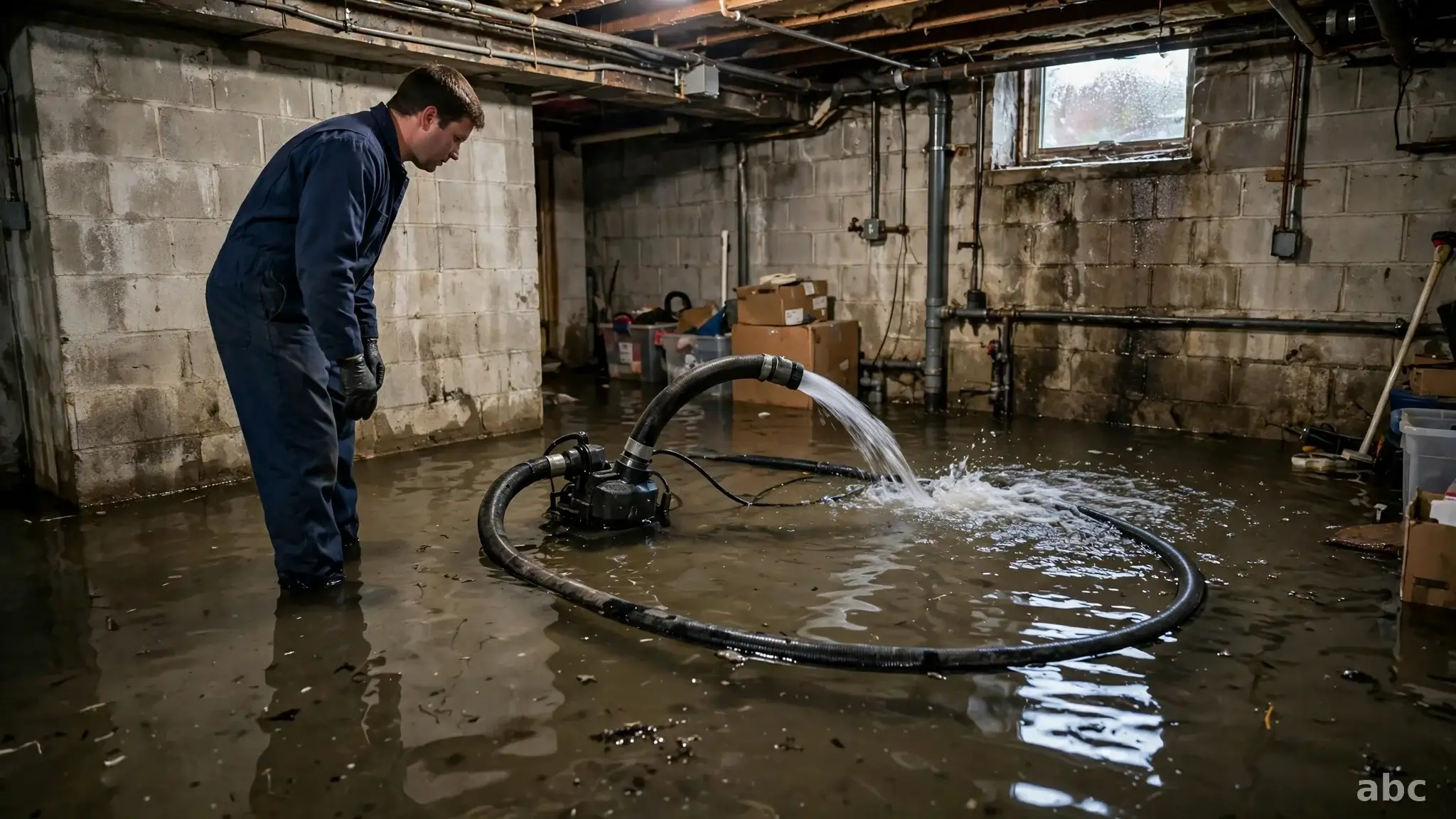
What Is Flooded Basement Cleanup?
Basements flood in familiar ways. A sump pump loses power during a storm — or simply cannot keep up — and water rises across the floor. Spring snowmelt and heavy rain push groundwater through foundation cracks and window wells. A water heater or washing machine on the lower level lets go unnoticed for hours. Because basements sit below grade, water has nowhere to drain on its own, so even a few inches can soak carpet, drywall, and everything stored down there.
Basement cleanup goes further than Water Extraction, which focuses on removing standing water wherever it sits, and it is more targeted than Flood Damage Restoration, which addresses an entire flooded property. Here the work is built for below-grade spaces: pumping, pulling water from carpet pads and baseboards, drying concrete and framing, and neutralizing the musty odor basements hold onto. Speed matters because according to the EPA, mold can start within 24 to 48 hours — and a damp basement stays damp without professional dehumidification.
| Common causes | Sump pump failure, seepage, storm runoff |
|---|---|
| Typical drying time | 3–5 days with dehumidification |
| Watch for | Mold behind paneling and baseboards |
| Prevention help | Backup sump pump and sealed cracks |
What's Included In Flooded Basement Cleanup?
Usually included — the exact work depends on the provider and the damage.
High-Volume Pumping
Submersible pumps are usually the first step — the exact work depends on the provider and the damage. They clear inches of standing water far faster than any household equipment can.
Carpet and Pad Extraction
Professional extractors pull water from carpet and padding in one pass — padding that stays wet almost always has to go. The provider tests padding afterward and removes whatever cannot be salvaged.
Industrial Dehumidification
Low-grain dehumidifiers pull moisture from concrete, framing, and air alike — the step that keeps basements from staying damp. They run continuously for days, wringing gallons of water from the air.
Foundation Seepage Assessment
The provider checks where water entered — cracks, window wells, or the wall-floor joint — so you know what to fix. You get a clear explanation of each entry point and what repairs would prevent a repeat.
Odor Neutralizing
Antimicrobial treatments and air scrubbing address the musty basement smell at its source rather than masking it. Enzyme-based deodorizers break down the organic compounds behind that classic persistent damp-basement odor.
Signs You Need Flooded Basement Cleanup
Standing Water on the Floor
Even an inch of water across the floor means the sump pump failed or groundwater found a way in.
Musty Odor That Won't Fade
A damp smell that lingers after airing out signals moisture trapped in walls or under flooring.
Water Stains on Foundation Walls
Dark tide marks or mineral streaks show where water has entered before — and will again.
Sump Pump Can't Keep Up
A pump running constantly, cycling oddly, or tripping the breaker is a flood waiting to happen.
Safety: If the pump is sparking or smoking, cut power and stay clear.
White Chalky Residue on Walls
That powdery white coating, called efflorescence, means water is steadily migrating through your concrete foundation.
Warped Paneling or Baseboards
Swollen trim and buckling panels show that water wicked up from the floor into the walls.
Seeing one of these? Call (800) 110-0003 now — a local pro typically arrives in 30–45 minutes.
How Flooded Basement Cleanup Works
- 1Pump Out
Submersible pumps remove standing water down to the last fraction of an inch, working steadily from the deepest point outward until the floor is clear.
- 2Extract
Truck-mounted extractors pull the embedded water from carpet, padding, and baseboards that pumps leave behind in a single thorough pass over every single affected area.
- 3Dry & Dehumidify
Air movers and low-grain dehumidifiers run for several days, with moisture readings tracking the concrete, wood, and drywall until each material tests dry and stays dry.
- 4Deodorize
Antimicrobial treatments and air scrubbing neutralize musty odors completely at the source, so the basement smells clean when the equipment leaves your home for good.
How long does it take? Most basement jobs need three to five days of drying after the water is pumped out, with dehumidifiers running the whole time. Finished basements with wet drywall take longer. The provider gives a clearer picture after the first visit — concrete and framing dry on their own schedule, not yours.
Flood Risk Across New York
Why flooded basement cleanup calls spike in certain counties — backed by FEMA and NOAA data.
County risk rating — FEMA National Risk Index, Dec 2025
County risk rating — FEMA National Risk Index, Dec 2025
County risk rating — FEMA National Risk Index, Dec 2025
County risk rating — FEMA National Risk Index, Dec 2025
County risk rating — FEMA National Risk Index, Dec 2025
With 19 flood-related FEMA disaster declarations on record, Suffolk County basements sit squarely in the path of Long Island coastal storms. (Source: FEMA OpenFEMA Disaster Declarations)
NOAA records show about 82% of the region's flash-flood and severe-storm events strike June through September — summer downpours are peak basement-flood season. (Source: NOAA Storm Events Database, 2021–2024)
NOAA county climate data puts annual rainfall at roughly 45 to 48 inches across the New York counties served, and saturated ground after repeated storms pushes groundwater straight through foundation walls. (Source: NOAA)
Why Call abc For Flooded Basement Cleanup?
A flooded basement will not dry on its own — below grade, with no sun and little airflow, moisture lingers for weeks and mold follows. One call brings an independent local professional with submersible pumps and commercial dehumidifiers built for exactly this job. A local pro typically arrives in 30–45 minutes.
Nights, weekends, holidays — a real person picks up.
Toll-free number. No charge to reach a local pro.
47 cities covered from one memorable number.
Connected with local pros who do the work.
Apartments, houses, offices, retail, restaurants.
Typical arrival window once you're connected.
What New Yorkers Say
Flooded Basement Cleanup Tips: What To Do (And Avoid)
Cut Power If Safe
If it is safe, switch off the basement breakers before stepping down — water and electricity are a deadly combination. When in doubt, stay out.
Stay Out of Deep Water
Never wade through water above your ankles — it can hide live wires, sharp debris, or an overwhelmed floor drain. Always wait for the provider.
Move Belongings Upstairs
If it is safe, carry boxes, photos, and valuables to higher ground — cardboard disintegrates quickly in standing water. Always work from the edges inward.
Open Windows for Airflow
If it is safe, crack basement windows to start moving air — but leave the heavy drying to the provider's equipment. Household fans cannot do this job.
Take Photos Before Moving Anything
Photograph the water line on walls and every damaged item before cleanup starts — insurers want the full picture first. Keep the images backed up.
Call Before Mold Sets In
The EPA notes mold can begin growing within 24 to 48 hours — calling today can prevent a much bigger remediation job next week for your home.
Don't Do This
- Don't plug in a wet/dry vacuum while standing in basement water — electrocution risk is real.
- Don't tear out drywall yourself — hidden wiring and mold make it a job for protective gear.
Basement Flooding Right Now?
Water rising in your basement will not stop on its own — and everything it touches gets harder to save by the hour. If safe, cut power to the lower level, move valuables upstairs, and call now. A local pro typically arrives in 30–45 minutes with pumps ready.
Available In 47 New York Cities
Popular Right Now
Show All 47 Cities (A–Z)
Flooded Basement Cleanup Questions, Answered
Repeat flooding usually traces to one of three causes: a sump pump that fails or cannot keep up, groundwater seeping through foundation cracks, or surface water pooling against the house. A provider can identify the entry point during cleanup — but lasting prevention, like grading or a backup pump, is a separate job worth planning.
As fast as possible — ideally within hours, not days. Standing water wicks into drywall, insulation, and framing, and the EPA notes mold can begin growing within 24 to 48 hours. A local pro typically arrives in 30–45 minutes with pumps and extractors, which is why calling early matters so much.
A working sump pump handles most groundwater — but pumps fail during power outages, clog with debris, or get overwhelmed by extreme storms. A battery backup pump adds real protection for outages. During cleanup, ask the provider to check whether your current pump is sized and positioned correctly.
Easily — basements are cool, dark, and poorly ventilated, which mold loves. The EPA notes mold can start growing on damp surfaces within 24 to 48 hours, and it hides behind paneling and under carpet where you cannot see it. Professional drying with moisture verification is the reliable way to prevent it.
Drywall that stayed wet for more than a day or two usually cannot be saved — it loses strength and harbors mold. The provider will check with moisture meters and remove only what is necessary, cutting cleanly above the water line. Do not tear it out yourself before the provider assesses it.
It depends on the cause. Sudden pipe bursts are usually covered, but groundwater seepage and flooding typically need separate flood insurance — standard policies exclude them. Sewer backup needs its own rider too. Photograph everything and ask the provider for documentation your adjuster can use.
Start with the basics: a working sump pump with battery backup, sealed foundation cracks, gutters that discharge away from the house, and proper grading. A dehumidifier helps in humid months. The provider can point out your specific entry points during the job so you know exactly what to fix.
Get Your Basement Dry Again
Don't let a wet basement sit — call (800) 110-0003 and get pumps and dehumidifiers working today. Calls are answered 24/7, and a local pro typically arrives in 30–45 minutes.
(800) 110-0003Sources & methods: how we research and verify everything on this site →