
Sewage Cleanup In New York
One free call connects you with an independent local pro for safe sewage removal and disinfection — 24/7, anywhere in New York.
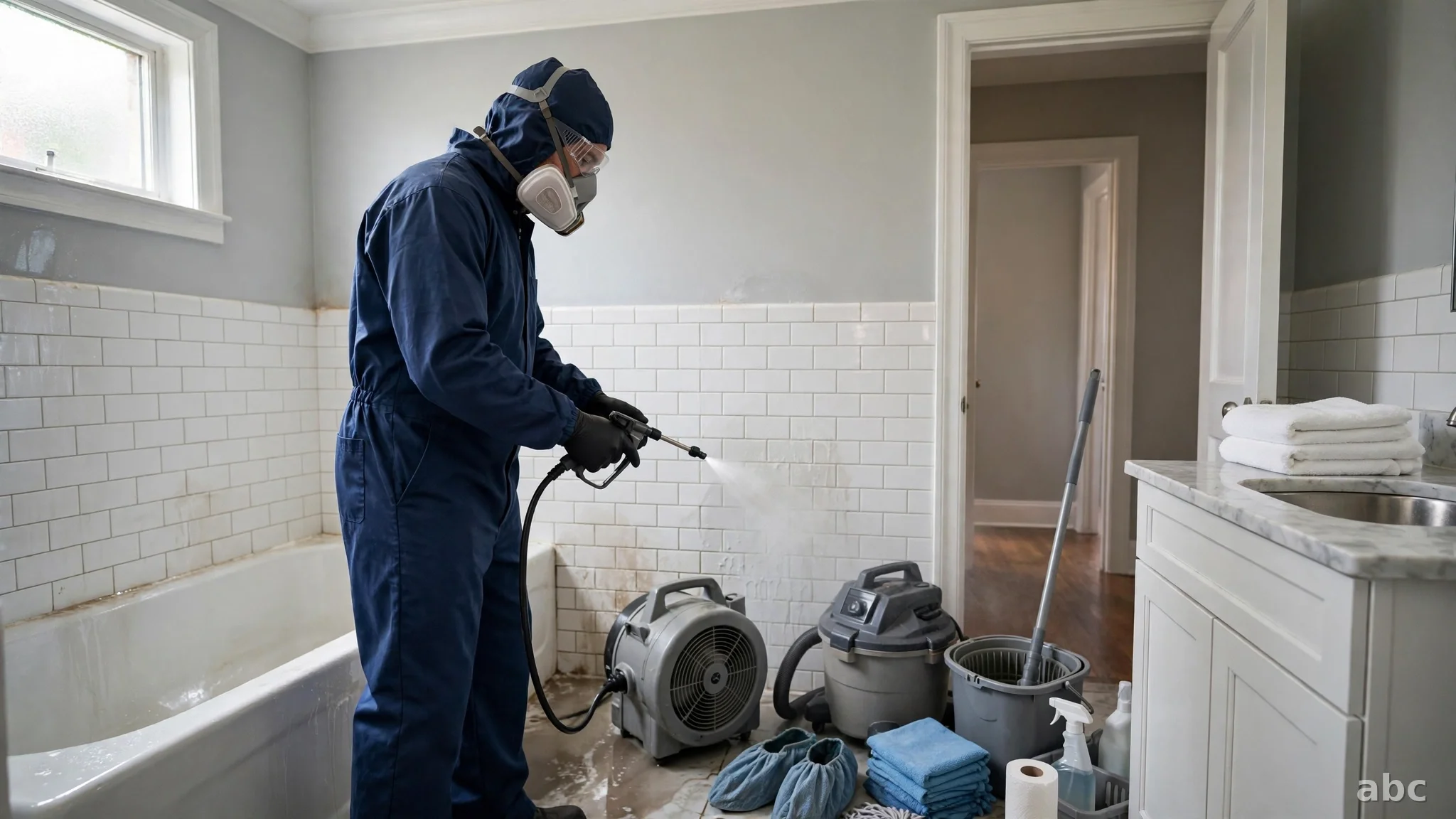
What Is Sewage Cleanup?
Sewage problems usually announce themselves at the worst moment. A sewer line backs up during a heavy rainstorm and wastewater rises through a basement floor drain. A toilet overflows and will not stop running. A washing machine drain pushes gray water across a laundry room floor. In older New York neighborhoods with combined sewer systems, intense rainfall can overwhelm the lines and force sewage backward into homes. Any water that may contain waste — from toilets, sewer lines, or outdoor flooding that reached drains — should be treated as contaminated and handled by a professional.
Cleanup after sewage is different from standard Water Extraction, which deals with clean water from supply lines, and from Flood Damage Restoration, which covers the broader drying of a flooded property. Sewage work adds disinfection, protective equipment, and the safe disposal of contaminated materials. Speed matters because bacteria multiply quickly in standing wastewater, and EPA guidance warns that mold can begin growing on damp surfaces within 24 to 48 hours. The sooner a local pro contains the area, the less contamination spreads through your home.
| Water type | Category 3 — contaminated (black water) |
|---|---|
| Protective gear | Required for everyone on site |
| Typical drying time | 3–5 days after disinfection |
| Insurance note | Often needs a separate sewer backup rider |
What's Included In Sewage Cleanup?
Usually included — the exact work depends on the provider and the damage.
Contaminated Water Removal
Contaminated water removal is usually included — the exact work depends on the provider and the damage. High-powered pumps and extractors clear wastewater from floors, basements, and crawl spaces quickly and safely.
Protective Barriers & Gear
The work area is sealed off with physical barriers so sewage cannot reach clean rooms, and technicians wear full protective gear — suits, gloves, boots, and respirators — for the entire job.
Deep Disinfection
Every hard surface is scrubbed with antimicrobial cleaners designed for biological contamination, neutralizing bacteria and viruses rather than simply washing the area. Baseboards, subfloor edges, and grout lines get special attention, since contamination hides in porous crevices.
Contaminated Material Removal
Carpet padding, soaked drywall sections, and other porous materials that absorbed sewage are bagged and removed for proper disposal — they cannot be disinfected reliably. The provider decides what stays and what goes based on contamination depth, not guesswork.
Air Filtration & Deodorizing
Air scrubbers filter airborne particles while antimicrobial treatments address lingering odors, leaving the space clean-smelling once drying is complete. This step runs alongside drying so the air is fresh by the time equipment is removed.
Signs You Need Sewage Cleanup
Gurgling Sounds From Drains
Bubbling or gurgling from sinks and tubs often means air is trapped by a blockage downstream.
Safety: Don't pour chemical drain cleaner — it can splash back and burn skin.
Sewage Smell Indoors
A rotten-egg or waste odor from drains or the basement is an early warning of a developing backup.
Several Drains Running Slow
When sinks, tubs, and toilets all drain slowly at once, the main sewer line may be blocked.
Water Rising in Tubs or Showers
Wastewater appearing in a tub when a toilet flushes points to a sewer line problem.
Safety: Keep children and pets away from any backup water.
Wet Areas Around Floor Drains
Dampness or puddles near a basement floor drain can be the first visible sign of a backup.
Backups After Heavy Rain
Intense storms can overload older sewer lines and push wastewater back into low drains and toilets.
Seeing one of these? Call (800) 110-0003 now — a local pro typically arrives in 30–45 minutes.
How Sewage Cleanup Works
- 1Contain
The provider seals off the affected area with physical barriers, stopping contaminated water from reaching clean rooms and keeping it out of the HVAC system.
- 2Remove
Standing sewage is pumped out with professional extraction equipment, and soaked porous materials such as carpet padding are carefully bagged and removed for safe disposal.
- 3Sanitize
Every exposed hard surface is scrubbed with antimicrobial cleaners, and the provider confirms the contamination is neutralized before any drying equipment is placed in the room.
- 4Dry & Verify
Air movers and dehumidifiers dry the structure over several days, with moisture readings taken daily until every surface meets a verified dry standard before the job is signed off.
How long does it take? Most sewage jobs take three to five days of active drying after the initial cleanup and disinfection, though larger backups can take longer. The provider will give you a clearer timeline after seeing the damage — drying is never rushed, because damp materials can grow mold.
Heavy Rain And Flooding Risk Across New York
Why sewage cleanup calls spike in certain counties — backed by FEMA and NOAA data.
County risk rating — FEMA National Risk Index, Dec 2025
County risk rating — FEMA National Risk Index, Dec 2025
County risk rating — FEMA National Risk Index, Dec 2025
County risk rating — FEMA National Risk Index, Dec 2025
County risk rating — FEMA National Risk Index, Dec 2025
New York City's combined sewer system carries stormwater and wastewater in the same pipes across many neighborhoods, so intense rainfall can overwhelm the lines and push sewage back into basements and ground floors. (Source: EPA — Combined Sewer Overflows)
Suffolk County alone has recorded 19 FEMA flood-related disaster declarations — and every major flood brings a wave of sewer backups with it. (Source: FEMA OpenFEMA Disaster Declarations)
Flooding is the most common natural disaster in the United States, and floodwater often carries sewage — which is why backups spike after every major storm. (Source: FEMA)
Why Call abc For Sewage Cleanup?
Sewage is not just unpleasant — it is a health hazard that demands the right gear, cleaners, and disposal methods. Your call reaches an independent local professional who deals with contaminated water regularly and arrives equipped to contain it. A local pro typically arrives in 30–45 minutes, day or night.
Nights, weekends, holidays — a real person picks up.
Toll-free number. No charge to reach a local pro.
47 cities covered from one memorable number.
Connected with local pros who do the work.
Apartments, houses, offices, retail, restaurants.
Typical arrival window once you're connected.
What New Yorkers Say
Sewage Cleanup Tips: What To Do (And Avoid)
Don't Touch the Water
Treat every puddle as contaminated. Wear rubber boots and gloves if you must walk through the area, and wash your hands and clothing thoroughly afterward.
Keep Everyone Clear
Keep children, pets, and elderly family members out of the affected rooms until the provider confirms the area is fully disinfected and safe to enter.
Stop Using Water
If it is safe to do so, avoid flushing toilets or running sinks and appliances — every extra gallon you send down can make the backup worse.
Ventilate If Safe
If it is safe, open windows in nearby clean rooms to move fresh air through the house, but keep fans out of the contaminated area itself.
Move Clean Belongings Up
If it is safe, carry dry rugs, boxes, and valuables out of harm's way — but leave anything already soaked for the provider to handle.
Call Before It Spreads
Sewage does not stay where it started. Calling early lets the provider contain the contamination before it reaches more rooms or seeps deeper into materials.
Don't Do This
- Don't use a household vacuum or mop on sewage — it spreads contamination and ruins the equipment.
- Don't run the HVAC system near the affected area — it can carry airborne contaminants through the house.
Sewage Backup Right Now?
Wastewater rising through drains or toilets is an emergency — every minute gives bacteria more time to spread through your home. Shut off water use if you can do it safely, keep everyone clear of the area, and call now. A local pro typically arrives in 30–45 minutes with extraction and disinfection gear.
Available In 47 New York Cities
Popular Right Now
Show All 47 Cities (A–Z)
Sewage Cleanup Questions, Answered
Yes. Sewage can carry bacteria, viruses, and parasites that cause serious illness through skin contact or inhaling airborne droplets. That is why protective gear, proper disinfection, and safe disposal matter so much. Keep children, pets, and anyone with a weakened immune system completely away from the affected area until a professional has cleaned it.
First, stop using water — no flushing, no laundry, no dishwashing — if you can do it safely. Keep everyone out of the affected rooms and shut doors to contain it. Then call (800) 110-0003. A local pro typically arrives in 30–45 minutes, and mentioning sewage ensures the right protective gear and equipment arrive with them.
Small, contained toilet overflows can sometimes be handled with gloves, disinfectant, and thorough cleaning — but anything beyond that belongs to a professional. Sewer line backups involve hidden contamination in walls and subfloors that household products cannot reach. When in doubt, call and let a local pro assess it.
Standard homeowners policies usually exclude sewer backup — coverage typically requires a separate sewer backup rider, which many New York homeowners do not have. Check your policy's endorsements before you need them. Whatever your coverage, document the damage with photos and keep every receipt for the provider's work.
The initial removal and disinfection usually takes a day; structural drying then runs three to five days with daily moisture checks. Larger backups or ones that reached wall cavities take longer. The provider confirms surfaces are disinfected and dry before equipment is removed — rushing risks mold and lingering odor.
A proper cleanup should not leave a lasting odor. Professional disinfection, removal of contaminated porous materials, and thorough drying eliminate the source rather than masking it. If a musty or sewage smell lingers after the work, call the provider back — it can signal moisture trapped somewhere the first pass missed.
Avoid flushing wipes, grease, or hygiene products — even 'flushable' wipes clog lines. Consider a backwater valve on your sewer line, which lets waste flow out but not back in. In flood-prone areas, keep floor drains clear and know where your main shutoff is before storm season arrives.
Get Sewage Handled Safely Today
When sewage backs up, you need the right help fast — call (800) 110-0003 any time, day or night. A local pro typically arrives in 30–45 minutes with extraction and disinfection gear ready.
(800) 110-0003Sources & methods: how we research and verify everything on this site →